Follow-Up Eye Care After Vision Correction Treatment
Follow-Up Eye Care After Vision Correction Treatment
Follow-up eye care is an essential part of the recovery process after vision correction treatments such as LASIK, SMILE, or ICL. While the procedure itself can significantly improve vision, regular follow-up appointments help ensure that the eyes are healing properly and that the results remain stable. These visits also allow doctors to monitor any potential complications and provide guidance for maintaining long-term eye health.
Importance of Postoperative Checkups
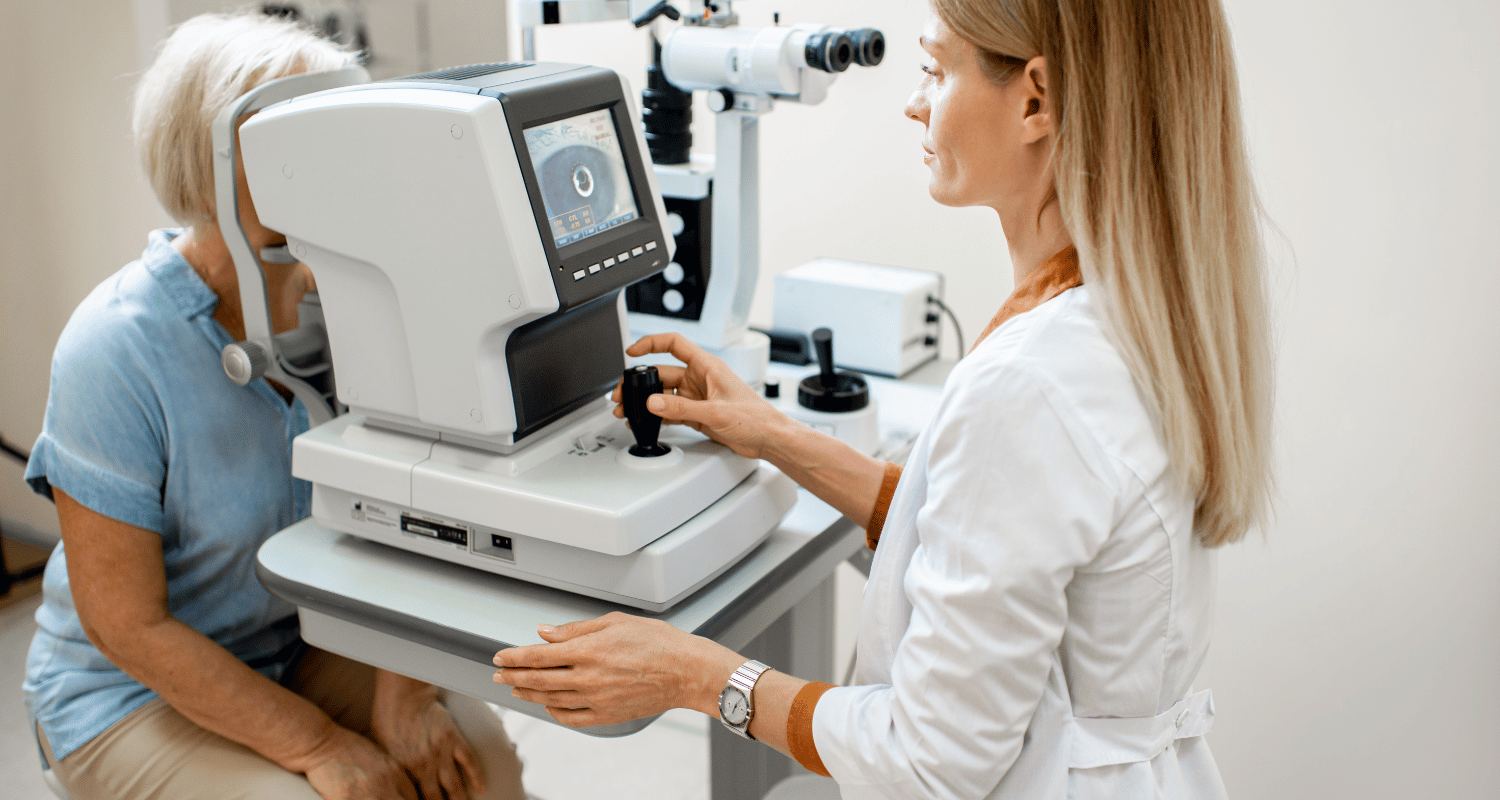
After vision correction surgery, patients are usually scheduled for several follow-up visits. These checkups allow ophthalmologists to examine the cornea, evaluate vision clarity, and confirm that the eyes are recovering as expected. Early follow-up visits are especially important because they help detect any signs of inflammation, dryness, or other issues that may require additional care.
Typical Follow-Up Schedule
The follow-up schedule may vary depending on the type of procedure performed. Many clinics recommend an initial checkup within the first day or two after surgery, followed by additional visits over the next few weeks or months. These appointments allow doctors to track the healing process and ensure that vision remains stable.
Managing Dry Eye and Visual Fluctuations
Some patients experience temporary dryness or mild visual fluctuations during the healing period. Follow-up visits provide an opportunity for doctors to assess these symptoms and recommend treatments such as artificial tears or additional medications if necessary. Addressing these issues early helps support a more comfortable recovery.
Monitoring Long-Term Eye Health
Follow-up care is not only important during the early recovery stage but also for maintaining long-term eye health. Periodic eye examinations help monitor vision stability and detect any unrelated eye conditions that could affect vision in the future.
Patient Responsibilities After Surgery
Patients also play an important role in successful recovery. Following the doctor’s instructions, using prescribed medications, and attending all scheduled appointments help ensure the best possible results. Protecting the eyes from irritation and maintaining good eye hygiene can also support long-term visual outcomes.
When to Contact Your Doctor
Patients should contact their eye clinic if they experience unusual symptoms such as severe pain, sudden vision loss, excessive redness, or persistent discomfort. Prompt medical attention can help prevent complications and protect the surgical results.
Final Thoughts
Follow-up eye care is a crucial part of vision correction treatment. Regular examinations allow doctors to monitor healing, manage minor symptoms, and ensure that patients achieve stable and long-lasting vision improvement after their procedure.
You might also like