Implantable Collamer Lens (ICL) Surgery Explained
March 12, 2026
Implantable Collamer Lens (ICL) Surgery Explained
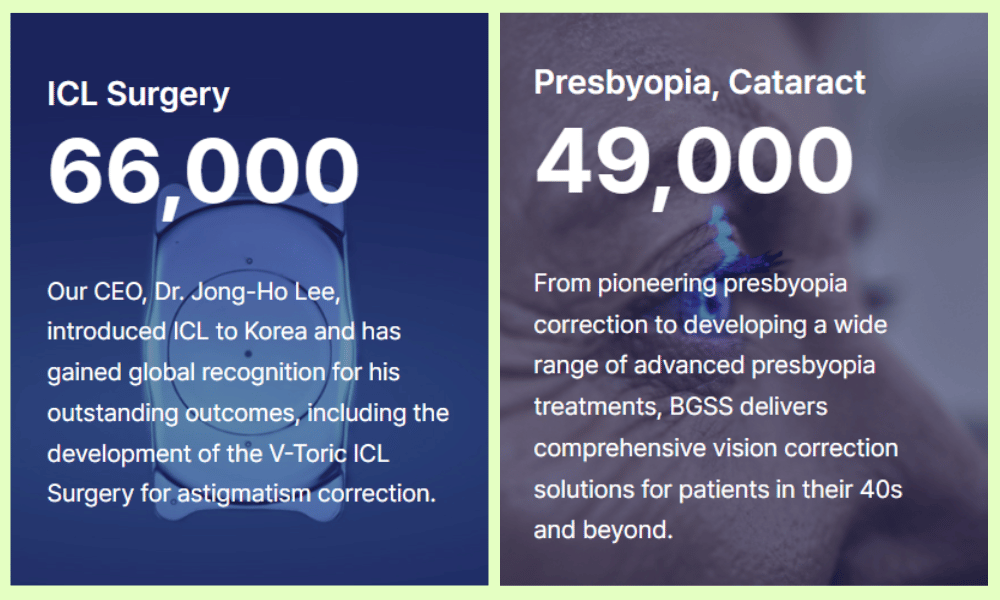
Implantable Collamer Lens (ICL) surgery is a vision correction procedure designed for patients who are not ideal candidates for LASIK or SMILE, such as those with high myopia, thin corneas, or irregular corneal shapes. Korean eye clinics are renowned for their expertise in ICL implantation, combining advanced technology with precise surgical techniques to achieve excellent results.
What ICL Surgery Involves
- ICL surgery involves implanting a thin, biocompatible lens made of collamer behind the iris and in front of the natural lens of the eye.
- The procedure does not require removal of corneal tissue, making it suitable for patients with thin or structurally sensitive corneas.
- The lens corrects refractive errors such as myopia, hyperopia, and astigmatism by focusing light accurately onto the retina.
Types of ICL Lenses
- Toric ICL: Designed specifically for correcting astigmatism along with myopia.
- Non-Toric ICL: Used for patients with myopia without significant astigmatism.
- Visian ICL V4c: Includes a central port to improve aqueous flow and reduce the need for peripheral iridotomies.
- Different lens types are chosen based on prescription, corneal shape, and individual eye measurements to optimize outcomes.
Advantages of ICL Surgery
- High Correction Range: ICL can correct very high levels of myopia that may not be treatable with LASIK or SMILE.
- Reversible Procedure: The lens can be removed or replaced if necessary, offering flexibility for future changes in vision.
- Preservation of Corneal Tissue: Unlike LASIK, ICL does not involve corneal reshaping, preserving natural corneal structure and strength.
- Quick Visual Recovery: Most patients notice improved vision within a few days, often with minimal discomfort.
Who Is a Good Candidate for ICL
- Adults with high myopia or astigmatism not suitable for laser eye surgery
- Patients with thin or irregular corneas
- Individuals seeking a reversible and stable solution for long-term vision correction
- Those who prefer minimal interference with the natural cornea
The Surgical Process
- Preoperative Evaluation: Comprehensive eye exam, corneal imaging, and measurement of anterior chamber depth.
- Procedure: Local anesthesia is applied, and the ICL is inserted through a small incision in the cornea and positioned behind the iris.
- Postoperative Care: Eye drops are prescribed to prevent infection and inflammation, and follow-up visits monitor healing and visual outcomes.
ICL Costs in Korea
- The price of ICL surgery in Korea typically ranges from $3,000 to $5,000 per eye, depending on lens type, clinic reputation, and included services.
- Costs usually cover preoperative evaluation, the lens implant, surgery, and postoperative follow-ups, but additional fees may apply for special lens types like toric or V4c.
- Many Korean clinics offer packages for international patients that combine consultation, surgery, and follow-up care for convenience.
Recovery and Results
- Vision improves rapidly, often within 1–3 days.
- Most patients achieve 20/25 vision or better, with long-term stability.
- Regular check-ups are recommended to ensure lens position and overall eye health.
Final Thoughts
ICL surgery offers a safe, effective, and reversible alternative for patients who cannot undergo LASIK or SMILE. Korean eye clinics provide advanced technology, meticulous surgical expertise, and comprehensive care to ensure excellent long-term vision correction outcomes while accommodating a wide range of patient needs.
You might also like
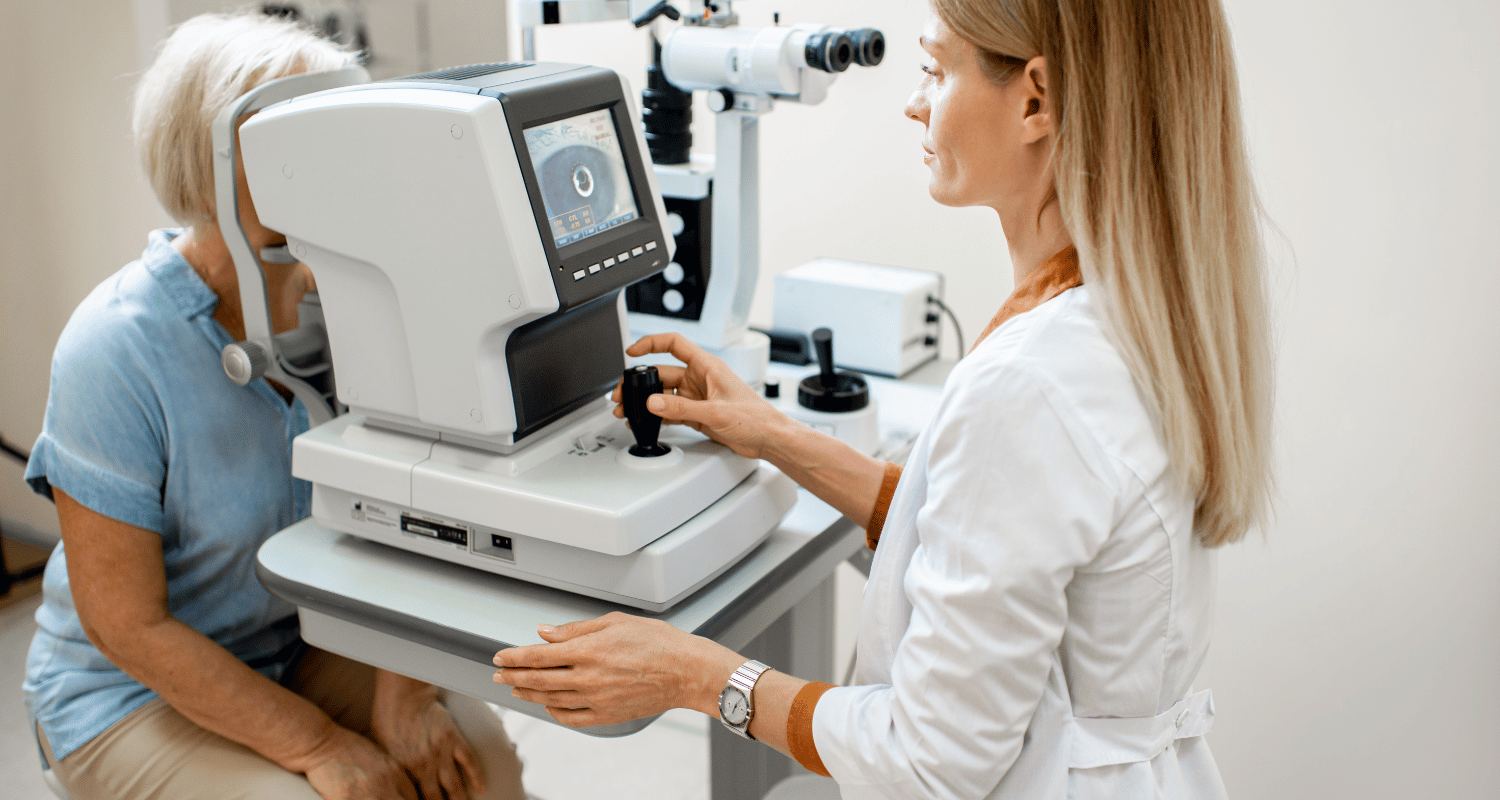
Understand the importance of post-treatment eye care after vision correction, including follow-up visits, healing checks, and tips to maintain clear vision.
Plan your trip to Korea for vision correction surgery with insights on clinic choice, costs, travel preparation, and recovery support for patients.
Discover how to protect your eyes after laser vision correction with tips on avoiding irritation, reducing dryness, and supporting safe recovery.