Vision Correction Options for Severe Nearsightedness
Vision Correction Options for Severe Nearsightedness
Severe nearsightedness, also known as high myopia, can significantly affect daily life and visual clarity. People with high myopia often rely on strong prescription glasses or contact lenses, but modern ophthalmology offers several advanced surgical options that can permanently improve vision. Korean eye clinics are particularly known for providing a wide range of effective treatments tailored to patients with severe refractive errors.
LASIK for Moderate to High Myopia
- LASIK reshapes the cornea using a laser to improve how light focuses on the retina.
- It can effectively treat many cases of moderate to high myopia.
- However, patients with extremely high prescriptions or thin corneas may not be suitable candidates for this procedure.
SMILE Surgery
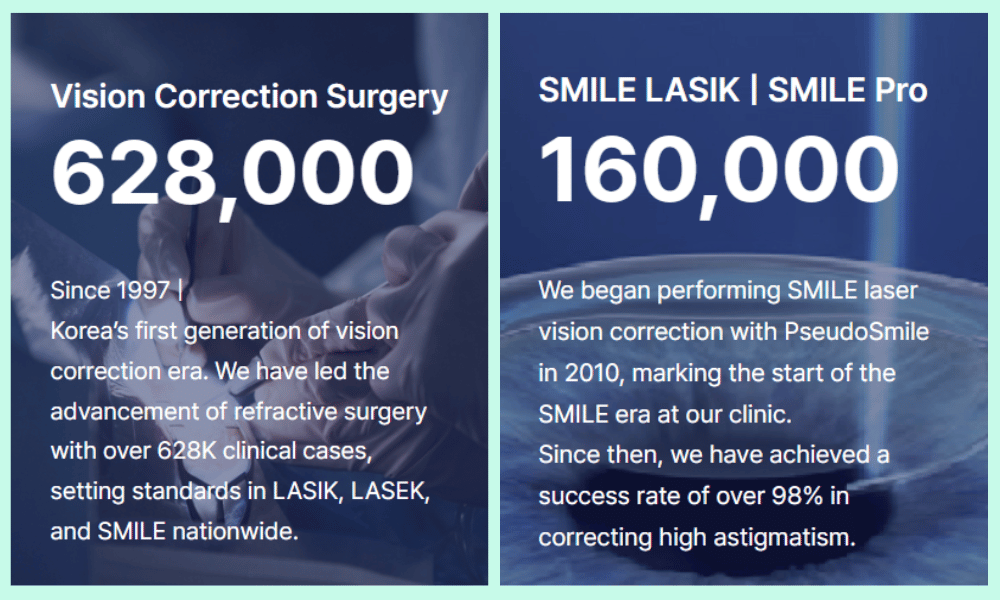
- SMILE (Small Incision Lenticule Extraction) is a minimally invasive laser vision correction technique.
- It removes a small lenticule of corneal tissue through a tiny incision.
- SMILE is often recommended for patients with moderate to high myopia and may reduce the risk of dry eye compared to LASIK.
ICL Lens Implant Surgery
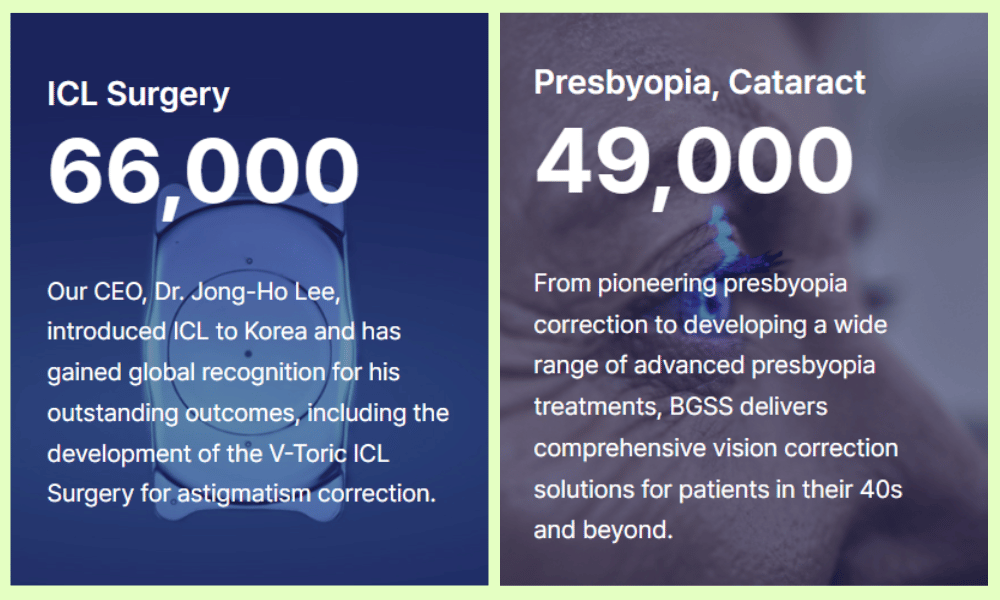
- Implantable Collamer Lens (ICL) surgery involves placing a specialized lens inside the eye behind the iris.
- It is one of the most effective options for patients with severe or extremely high myopia.
- Because it does not remove corneal tissue, it is suitable for individuals with thin corneas or very high prescriptions.
Refractive Lens Exchange (RLE)
- RLE replaces the eye’s natural lens with an artificial intraocular lens.
- This procedure is similar to cataract surgery and can correct very high refractive errors.
- It is usually considered for older patients or those who may also be developing presbyopia.
Choosing the Right Treatment
Selecting the best vision correction method depends on several factors, including the degree of myopia, corneal thickness, age, and overall eye health. A comprehensive eye examination and consultation with an experienced ophthalmologist are essential to determine the safest and most effective option.
Final Thoughts
Severe nearsightedness no longer limits patients to glasses or contact lenses alone. With advanced procedures such as LASIK, SMILE, ICL, and refractive lens exchange, many individuals can achieve clear and stable vision. Careful evaluation and personalized treatment planning are key to achieving the best long-term results.
You might also like