Vision Correction Surgery in Korea: What to Expect
Vision Correction Surgery in Korea: What to Expect
Korea has become a leading destination for vision correction surgery, attracting patients from around the world for procedures such as LASIK, LASEK, and SMILE. International patients often choose Korea for its combination of advanced technology, highly skilled surgeons, and patient-focused care. Understanding what to expect before, during, and after surgery can help ensure a safe and successful experience.
1. Pre-Surgery Consultation and Assessment
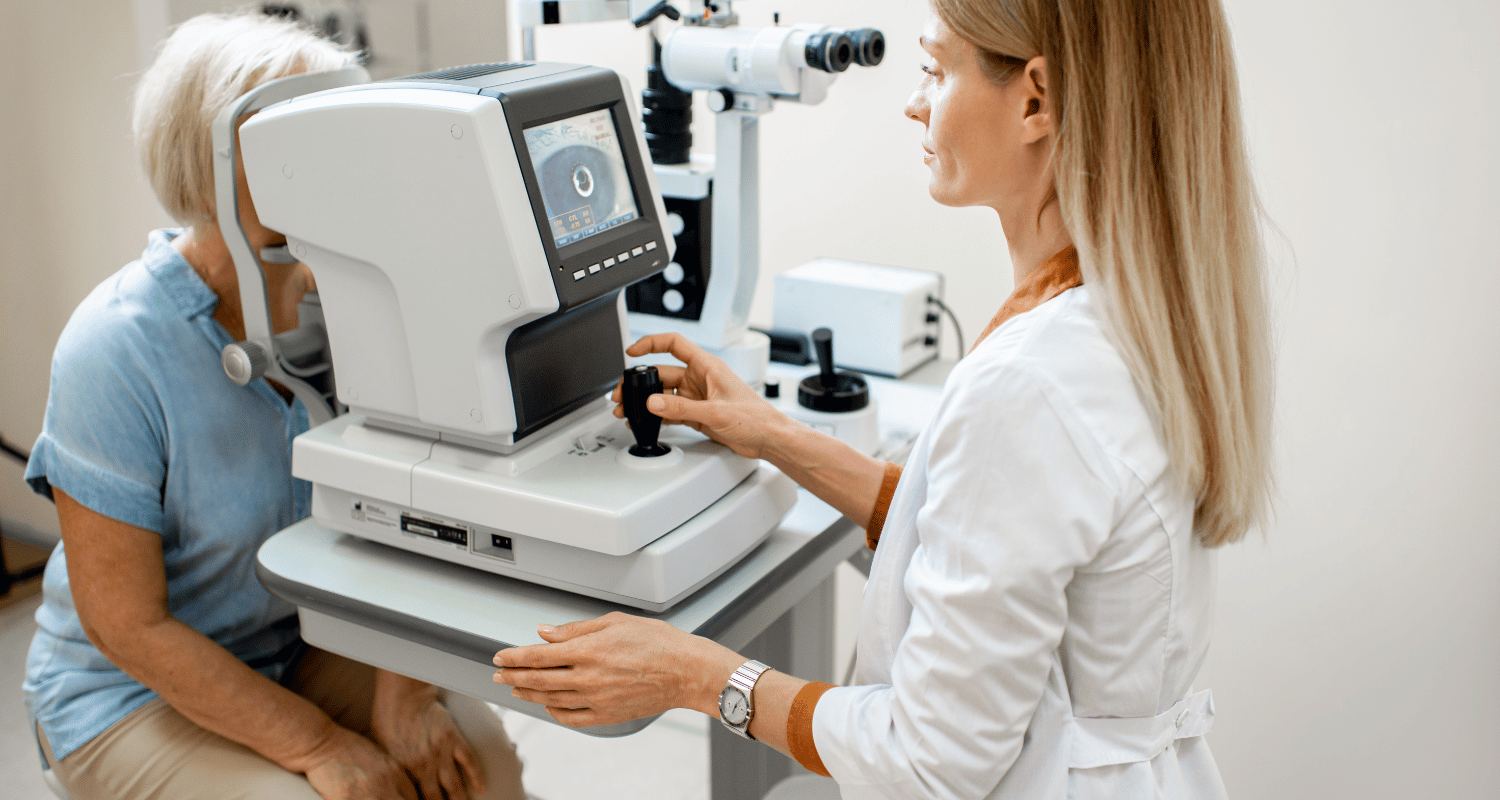
Before any procedure, clinics conduct a thorough eye examination to determine the best type of surgery for each patient. This includes:
- Corneal mapping and thickness measurements
- Refractive error and vision testing
- Comprehensive eye health evaluation to rule out conditions like glaucoma or severe dry eye
Many clinics also offer online consultations for international patients, allowing pre-screening and planning before traveling.
2. Choosing the Right Procedure
Korean clinics offer several advanced vision correction options:
- LASIK: Ideal for mild to moderate myopia, hyperopia, and astigmatism
- LASEK: Suitable for patients with thin corneas or specific eye conditions
- SMILE: Minimally invasive, preserving corneal structure and allowing faster recovery
Surgeons recommend the procedure that best suits each patient’s eye anatomy, lifestyle, and vision goals.
3. Preparing for Surgery
Proper preparation can improve outcomes and reduce complications. Key steps include:
- Avoiding contact lens use as instructed before surgery
- Planning travel and accommodation near the clinic for convenience
- Scheduling a short period of rest and limited eye strain post-surgery
4. The Surgery Day
On the day of surgery, patients can expect:
- Detailed preoperative checks and confirmation of the procedure plan
- Administration of local anesthesia drops for comfort
- A brief procedure time—typically 15–30 minutes depending on the technique
- Immediate post-surgery monitoring and instructions
5. Postoperative Care and Recovery
Postoperative care is essential for optimal results:
- Follow the clinic’s instructions on eye drops, medications, and eye protection
- Most patients notice improved vision within a few days, but full stabilization can take several weeks
- Attend follow-up appointments to monitor healing and ensure long-term vision stability
6. Support for International Patients
Many Korean clinics provide services specifically for international visitors:
- Multilingual staff and interpreter support
- Assistance with travel logistics and accommodation
- Guidance on postoperative care while traveling or returning home
Final Thoughts
Vision correction surgery in Korea offers international patients a combination of advanced technology, experienced surgeons, and comprehensive care. By understanding the process, preparing properly, and following postoperative instructions, patients can achieve safe, precise, and long-lasting improvements in their vision.
You might also like