Who Should Consider SMILE Laser Eye Surgery
Who Should Consider SMILE Laser Eye Surgery
SMILE (Small Incision Lenticule Extraction) is a modern, minimally invasive vision correction procedure that is suitable for many patients, but not everyone may be an ideal candidate. Korean eye clinics carefully evaluate each patient to ensure safety, effectiveness, and long-term results.
Ideal Candidates for SMILE
- Adults with stable vision: Patients should have stable prescriptions for at least one year before considering surgery.
- Moderate myopia or astigmatism: SMILE is particularly effective for correcting moderate degrees of nearsightedness and certain levels of astigmatism.
- Thin corneas or corneal concerns: Patients who may not be ideal candidates for LASIK due to thin corneas can benefit from SMILE’s minimally invasive approach.
- Concerned about dry eyes: SMILE preserves more corneal nerves than LASIK, lowering the risk of postoperative dry eye.
- Active lifestyles: Individuals involved in sports or occupations where flap complications could be risky may prefer SMILE because it avoids large corneal flaps.
Who Might Not Be Suitable
- Severe refractive errors: Patients with very high myopia or astigmatism may require alternative procedures.
- Unstable vision: Those whose prescriptions have recently changed or are progressing may need to wait until vision stabilizes.
- Certain eye conditions: Glaucoma, cataracts, keratoconus, or other corneal diseases may disqualify patients from SMILE.
Preoperative Considerations and Precautions
Before undergoing SMILE, patients should take several precautions to ensure safety and optimal results:
- Stop wearing contact lenses: Contacts can temporarily change the shape of the cornea. Patients are usually advised to discontinue lenses at least 1–2 weeks prior to surgery.
- Avoid eye makeup and lotions: On the day of surgery, the eyes should be free of makeup, creams, or lotions to reduce infection risk.
- Inform the surgeon of medications: Some medications, including certain eye drops or systemic drugs, may need to be paused or adjusted.
- Health disclosure: Patients should disclose any chronic illnesses or autoimmune conditions, as these can affect healing.
- Arrange post-surgery transportation: Vision may be temporarily blurred immediately after the procedure, so having someone to accompany you home is recommended.
Comprehensive Preoperative Evaluation
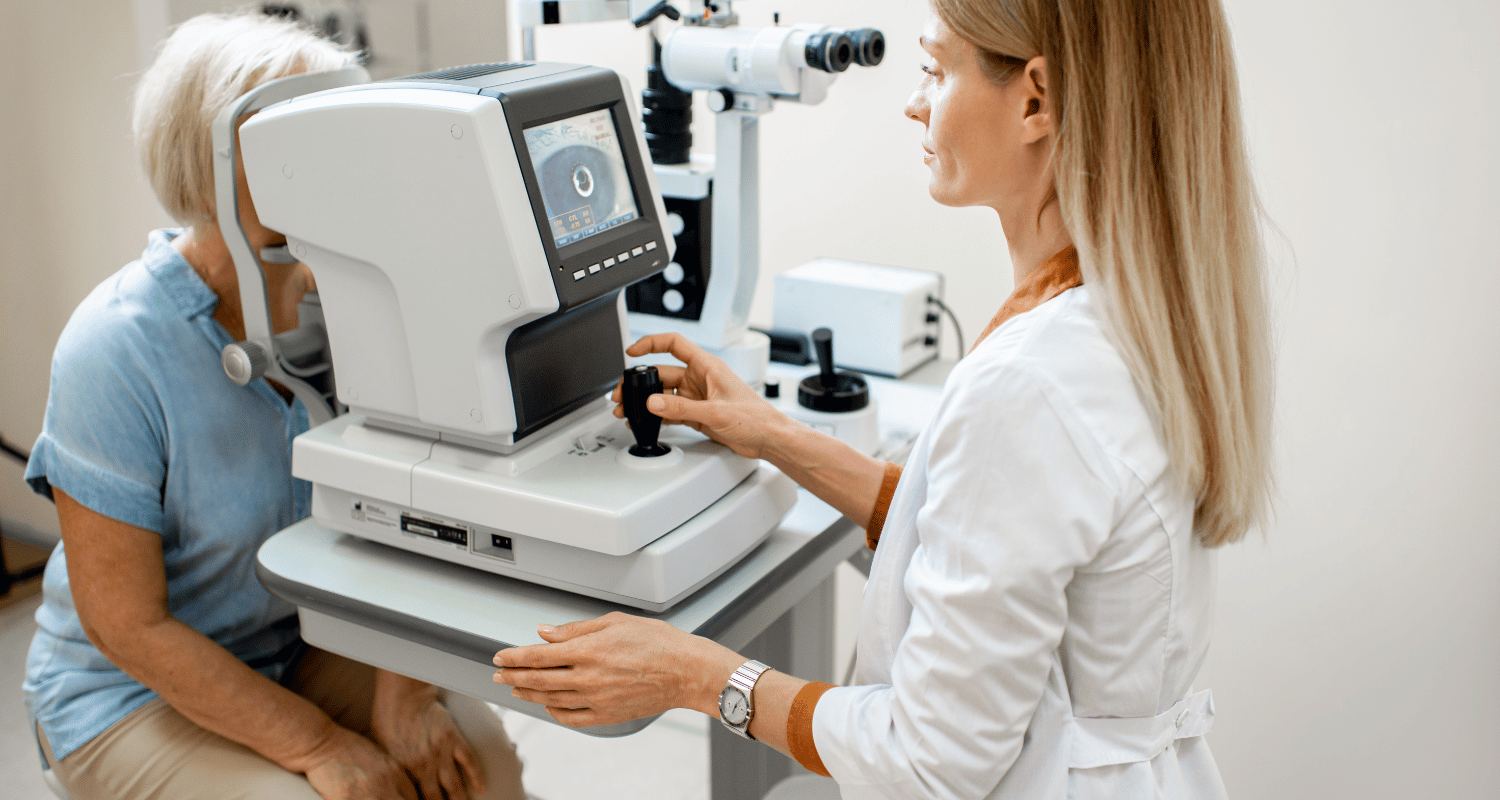
Before undergoing SMILE, patients undergo a detailed eye examination, including corneal mapping, measurements of eye structure, and assessment of tear production. Korean clinics provide this thorough evaluation to ensure patients are good candidates and to plan the most precise and safe procedure.
Final Thoughts
SMILE is an excellent option for many adults seeking safe, precise, and minimally invasive vision correction. By carefully assessing patient eligibility and tailoring the procedure to individual needs, Korean eye clinics help maximize results and minimize risks for long-term vision improvement.
You might also like