Why Korea Is a Leading Destination for Vision Correction Surgery

March 12, 2026

Why Korea Is a Leading Destination for Vision Correction Surgery

Korea has become one of the world’s top destinations for vision correction surgery, attracting thousands of international patients each year. Known for its advanced medical technology, highly skilled surgeons, and patient-focused care, the country offers a safe, effective, and comfortable environment for procedures like LASIK, LASEK, SMILE, and other refractive surgeries. For travelers seeking clearer vision and quality medical services, Korea combines clinical excellence with a convenient, culturally rich experience.

Advanced Technology and Surgical Techniques

Korean eye clinics are at the forefront of medical innovation. They utilize state-of-the-art equipment for precise diagnostics and surgery, ensuring both safety and optimal outcomes. Some reasons why Korea excels include:

  • Cutting-edge lasers: Most clinics use the latest femtosecond and excimer lasers for minimally invasive and highly accurate procedures.
  • Custom treatment plans: Surgeons design personalized procedures based on detailed eye scans, corneal mapping, and visual requirements.
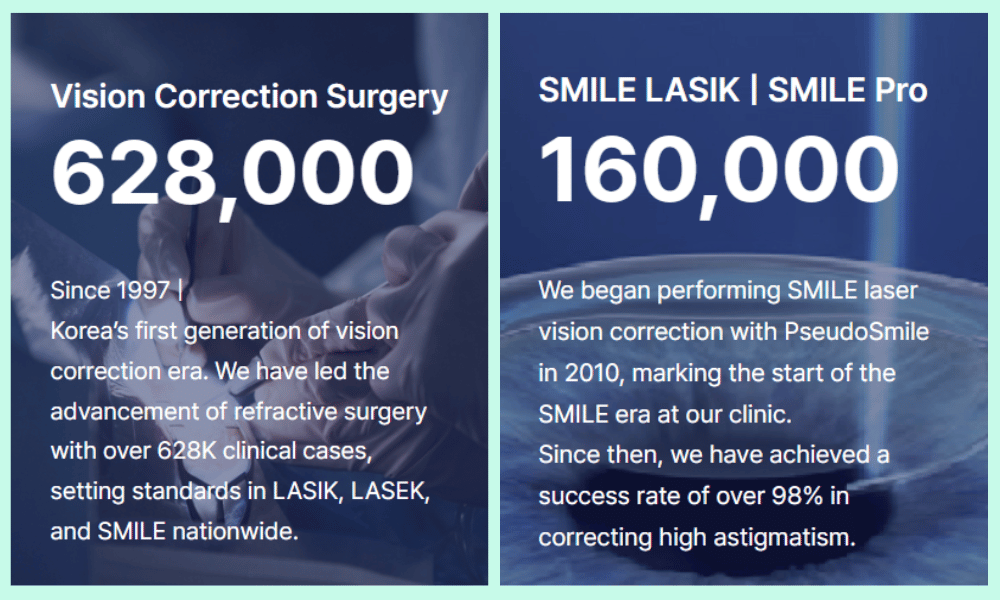
  • Variety of options: From LASIK to SMILE and LASEK, patients can choose the procedure that best fits their lifestyle, recovery preferences, and vision needs.
  • High success rates: Clinical data show consistently high success rates and patient satisfaction among both local and international patients.

Highly Skilled and Internationally Trained Surgeons

Korean ophthalmologists undergo rigorous training and often participate in global research and conferences. Many surgeons have international certifications and experience working with foreign patients. Key advantages include:

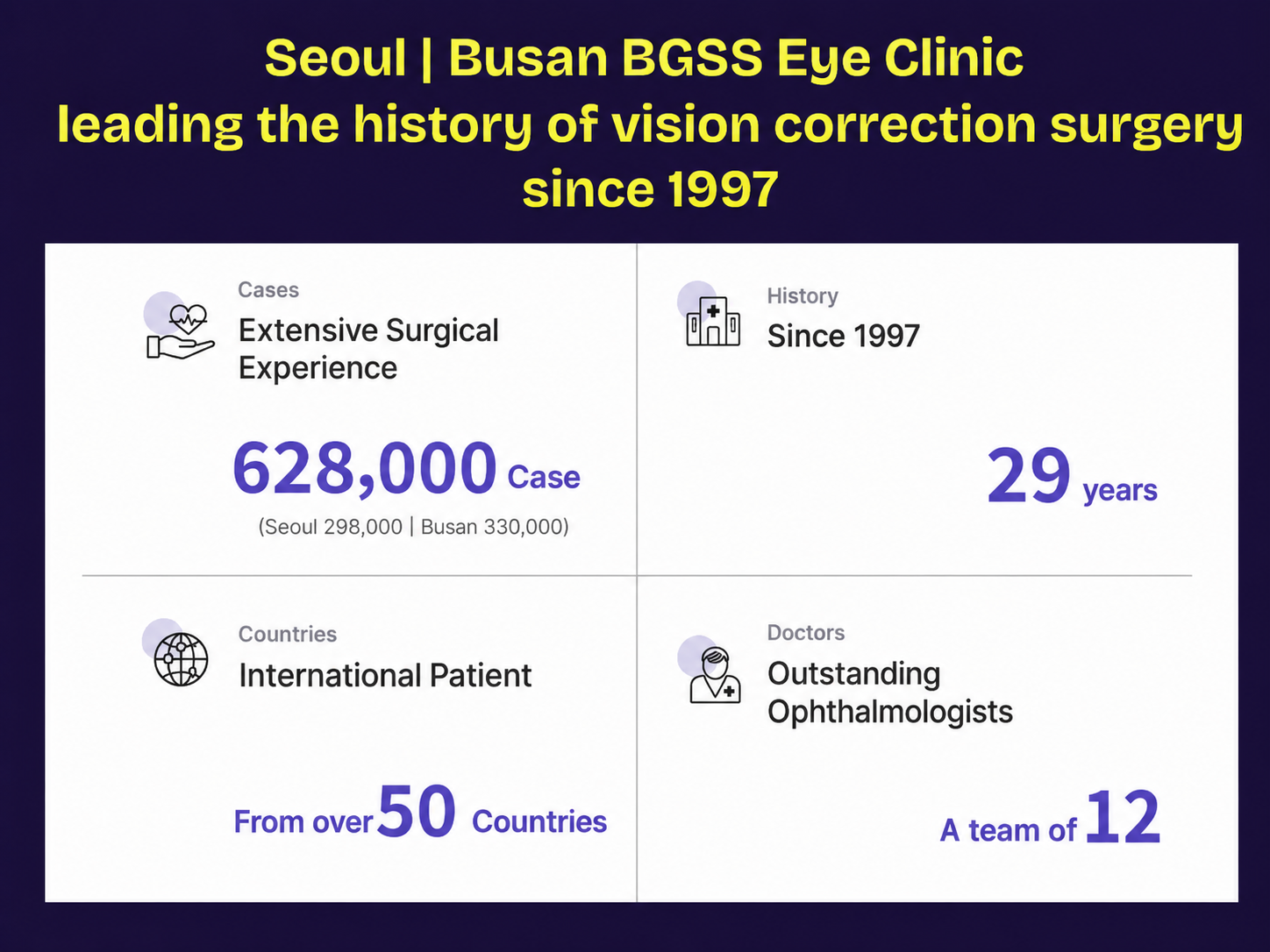
  • Extensive experience: Thousands of procedures performed annually, including complex cases.
  • Multilingual support: English, Chinese, Japanese, and other language services are widely available.
  • Patient-focused care: Surgeons prioritize both visual outcomes and patient comfort, offering detailed pre- and post-surgery guidance.

Comprehensive Care for International Patients

Korea is well-prepared to welcome foreign patients with an emphasis on convenience, safety, and comfort:

  • Transparent pricing: Many clinics provide clear cost estimates without hidden fees.
  • Coordinated services: Airport pickup, hotel bookings, and interpreter assistance are often included for international patients.
  • Aftercare support: Follow-up appointments, remote consultations, and clear recovery instructions ensure a smooth healing process.
  • Quick recovery: Minimally invasive procedures allow patients to resume daily activities within days.

Affordable Yet High-Quality Options

Compared to countries like the US or Western Europe, Korea offers competitive pricing without compromising on quality. Average costs for vision correction procedures are:

  • LASIK: $1,500–$3,000 per eye
  • SMILE: $2,000–$3,500 per eye
  • LASEK: $1,200–$2,500 per eye

This cost-effectiveness, combined with excellent outcomes, makes Korea an attractive destination for budget-conscious patients seeking world-class care.

Seamless Travel and Cultural Experience

Beyond medical care, Korea provides a rich, enjoyable experience for visitors:

  • Easy travel: Direct flights from major international hubs to Seoul and Busan make access convenient.
  • Modern facilities: Clinics are located in central areas, close to shopping, dining, and entertainment.
  • Cultural enrichment: Patients can explore Korean cuisine, historic sites, and popular cultural attractions during recovery periods.

Why Choose Korea for Vision Correction Surgery

  • Advanced, precise, and minimally invasive surgical technology.
  • Experienced, internationally recognized ophthalmologists.
  • Comprehensive international patient support, including language assistance and travel coordination.
  • Affordable procedures with high success rates.
  • Convenient and enjoyable medical travel experience.

Treatment Procedure (Typical Flow)

  1. Initial consultation: Eye exams, corneal mapping, and discussion of options.
  2. Pre-surgery planning: Customized surgical plan and health assessment.
  3. Surgery day: Outpatient procedure under local anesthesia, typically completed within 20–30 minutes per eye.
  4. Recovery and follow-up: Immediate post-op check, medication guidance, and scheduled follow-ups to ensure optimal healing.

What to Bring

  • Passport or ID
  • Information on previous eye treatments (if any)
  • Travel schedule (to plan downtime and aftercare)

Final Thoughts

Korea offers a unique combination of world-class medical care, cutting-edge technology, and patient-centered services that make it an ideal destination for vision correction surgery. International patients can enjoy not only excellent clinical outcomes but also a seamless and enriching travel experience. With competitive pricing, highly skilled surgeons, and comprehensive support, Korea remains a top choice for anyone seeking safer, effective, and convenient eye care abroad.

You might also like
March 12, 2026
Follow-Up Eye Care After Vision Correction Treatment Follow-up eye care is an essential part of the recovery process after vision correction treatments such as LASIK, SMILE, or ICL. While the procedure itself can significantly improve vision, regular follow-up appointments help ensure that the eyes are healing properly and that the results remain stable. These visits also allow doctors to monitor any potential complications and provide guidance for maintaining long-term eye health. Importance of Postoperative Checkups After vision correction surgery, patients are usually scheduled for several follow-up visits. These checkups allow ophthalmologists to examine the cornea, evaluate vision clarity, and confirm that the eyes are recovering as expected. Early follow-up visits are especially important because they help detect any signs of inflammation, dryness, or other issues that may require additional care. Typical Follow-Up Schedule The follow-up schedule may vary depending on the type of procedure performed. Many clinics recommend an initial checkup within the first day or two after surgery, followed by additional visits over the next few weeks or months. These appointments allow doctors to track the healing process and ensure that vision remains stable. Managing Dry Eye and Visual Fluctuations Some patients experience temporary dryness or mild visual fluctuations during the healing period. Follow-up visits provide an opportunity for doctors to assess these symptoms and recommend treatments such as artificial tears or additional medications if necessary. Addressing these issues early helps support a more comfortable recovery. Monitoring Long-Term Eye Health Follow-up care is not only important during the early recovery stage but also for maintaining long-term eye health. Periodic eye examinations help monitor vision stability and detect any unrelated eye conditions that could affect vision in the future. Patient Responsibilities After Surgery Patients also play an important role in successful recovery. Following the doctor’s instructions, using prescribed medications, and attending all scheduled appointments help ensure the best possible results. Protecting the eyes from irritation and maintaining good eye hygiene can also support long-term visual outcomes. When to Contact Your Doctor Patients should contact their eye clinic if they experience unusual symptoms such as severe pain, sudden vision loss, excessive redness, or persistent discomfort. Prompt medical attention can help prevent complications and protect the surgical results. Final Thoughts Follow-up eye care is a crucial part of vision correction treatment. Regular examinations allow doctors to monitor healing, manage minor symptoms, and ensure that patients achieve stable and long-lasting vision improvement after their procedure.
March 12, 2026
Traveling to Korea for Vision Correction Surgery Korea has become a popular destination for international patients seeking vision correction surgery. Known for advanced medical technology, experienced ophthalmologists, and modern eye clinics, the country offers high-quality treatment options for procedures such as LASIK, SMILE, and ICL. Many patients travel to Korea not only for the expertise available but also for the efficient medical system and comprehensive patient care. Why International Patients Choose Korea Several factors make Korea an attractive destination for vision correction procedures. Eye clinics in Korea are equipped with the latest diagnostic and surgical technologies, allowing doctors to perform highly precise treatments. In addition, many clinics have extensive experience treating international patients and provide services such as multilingual consultations and dedicated patient coordinators. Planning Your Trip Patients considering traveling to Korea for vision correction surgery should plan their trip carefully. This includes scheduling an initial consultation and eye examination, which are necessary to determine the most suitable procedure. Many clinics allow patients to complete the examination and surgery within a short period, making it convenient for those visiting from abroad. Length of Stay The recommended length of stay may vary depending on the procedure. For LASIK or SMILE surgery, patients often stay for several days to complete the pre-surgery examination, the procedure itself, and follow-up visits. Patients undergoing ICL surgery may need to stay slightly longer to allow sufficient time for recovery and postoperative monitoring. Recovery and Travel Considerations After the procedure, patients should allow enough time for initial recovery before traveling long distances. Doctors usually recommend avoiding strenuous activities and protecting the eyes during the healing period. Follow-up appointments are important to ensure that the eyes are recovering properly. Cost Advantages Another reason many patients travel to Korea for vision correction surgery is the competitive pricing. Compared to some countries, the cost of procedures in Korea can be more affordable while still maintaining high medical standards and advanced technology. Support for International Patients Many eye clinics in Korea offer services specifically designed for international patients. These may include assistance with appointment scheduling, translation services, and guidance throughout the treatment process. Such support helps make the experience more comfortable and convenient for visitors. Final Thoughts Traveling to Korea for vision correction surgery can be a practical option for patients seeking advanced treatment and experienced specialists. With proper planning and consultation, international patients can receive high-quality care while benefiting from Korea’s reputation for precision and innovation in eye surgery.
March 12, 2026
Protecting Your Eyes After Laser Vision Surgery Laser vision surgery such as LASIK or SMILE can significantly improve eyesight, but proper care after the procedure is essential for safe healing and long-term results. The eyes may be sensitive during the early recovery period, so protecting them from irritation, infection, and excessive strain is important. By following recommended aftercare guidelines, patients can help ensure a smooth recovery and maintain clear vision. Avoid Touching or Rubbing Your Eyes One of the most important precautions after laser eye surgery is avoiding rubbing or touching the eyes. The cornea is still healing, and rubbing the eyes can disrupt the surgical area or cause irritation. Patients should be especially careful when washing their face or when waking up from sleep. Wear Protective Eyewear Protective eyewear can help shield the eyes from dust, wind, and bright sunlight. Many clinics recommend wearing sunglasses when going outdoors, especially during the first few weeks after surgery. In some cases, patients may also be given protective eye shields to wear while sleeping to prevent accidental contact with the eyes. Limit Activities That May Irritate the Eyes During the early healing period, it is best to avoid activities that may expose the eyes to irritation or bacteria. Swimming pools, hot tubs, and environments with heavy dust or smoke should be avoided until the doctor confirms that the eyes have healed sufficiently. Reduce Eye Strain Although most patients can resume normal activities relatively quickly, it is helpful to reduce eye strain during the first few days after surgery. Taking breaks from digital screens, resting the eyes regularly, and maintaining proper lighting when reading can help support comfortable recovery. Use Prescribed Eye Drops Regularly Doctors typically prescribe eye drops to prevent infection and reduce inflammation after laser vision surgery. Artificial tears may also be recommended to relieve dryness. Using these medications consistently according to medical instructions is an important part of the healing process. Attend Follow-Up Appointments Follow-up visits allow the ophthalmologist to monitor the healing process and confirm that the eyes are recovering properly. These appointments are important for detecting any potential issues early and ensuring the best possible surgical results. Final Thoughts Protecting the eyes after laser vision surgery plays a vital role in achieving the best possible outcome. By avoiding eye irritation, following medical instructions, and attending follow-up examinations, patients can support healthy healing and enjoy long-lasting improvements in their vision.

Book a Service Today