Eye Exams Before Vision Correction Surgery
Eye Exams Before Vision Correction Surgery
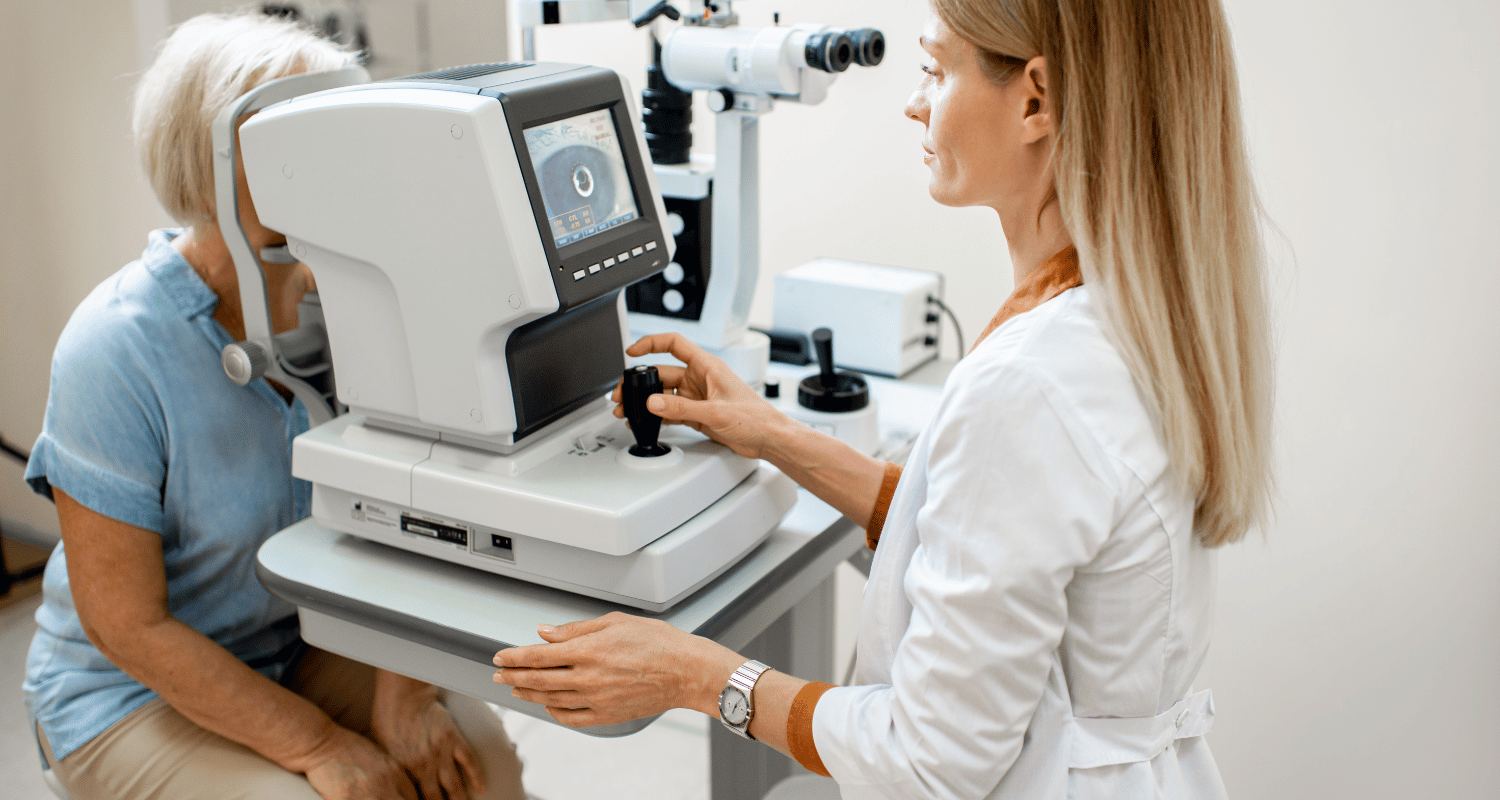
Before undergoing vision correction surgery, patients must complete a series of detailed eye examinations. These tests help ophthalmologists determine whether procedures such as LASIK, SMILE, or ICL are safe and suitable for the patient. Pre-surgery eye exams evaluate the overall health of the eyes, measure the degree of refractive error, and analyze important structural factors like corneal thickness and pupil size. By performing these assessments in advance, doctors can recommend the most appropriate procedure and reduce the risk of complications while improving the accuracy of the surgery.
Types of Tests Performed During the Eye Examination
Several diagnostic tests are typically performed during the evaluation process. Each test provides important information about the eye and helps guide the treatment plan.
- Visual acuity test: Measures how clearly a patient can see at different distances.
- Refraction test: Determines the exact prescription needed to correct nearsightedness, farsightedness, or astigmatism.
- Corneal thickness test (pachymetry): Measures the thickness of the cornea, which is crucial for determining eligibility for laser surgery.
- Corneal topography: Creates a detailed map of the cornea’s surface to detect irregularities.
- Wavefront analysis: Identifies subtle optical imperfections that may affect visual quality.
- Pupil size measurement: Evaluates pupil diameter, which can influence night vision outcomes after surgery.
- Tear film evaluation: Checks for dry eye conditions that could affect healing after surgery.
- Retinal examination: Ensures that the retina and optic nerve are healthy before proceeding with surgery.
Total Time Required for the Eye Examination
A comprehensive eye examination for vision correction surgery usually takes between 1.5 and 2.5 hours. The exact duration may vary depending on the number of diagnostic tests performed and the clinic’s evaluation process. During this time, patients will move through several testing stations and may also have a consultation with an ophthalmologist to review the results and discuss potential treatment options.
Preparation Tips Before the Examination
Proper preparation helps ensure accurate test results and a smoother evaluation process.
- Avoid wearing contact lenses before the exam. Soft lenses are usually discontinued for several days, while rigid lenses may need to be removed for a longer period.
- Bring previous eye exam records if available, especially if you have a history of eye conditions or treatments.
- Expect temporary blurred vision. Some tests require pupil dilation, which may affect vision for a few hours.
- Allow enough time for the visit. Because multiple tests are involved, patients should schedule enough time for the full examination.
Final Thoughts
Pre-surgery eye examinations play a critical role in ensuring the safety and success of vision correction procedures. Through detailed testing and careful evaluation, ophthalmologists can identify the most suitable treatment for each patient while minimizing potential risks. A thorough examination is the first step toward achieving clear, stable vision through modern refractive surgery.
You might also like