How Korean Eye Clinics Diagnose Vision Problems
How Korean Eye Clinics Diagnose Vision Problems
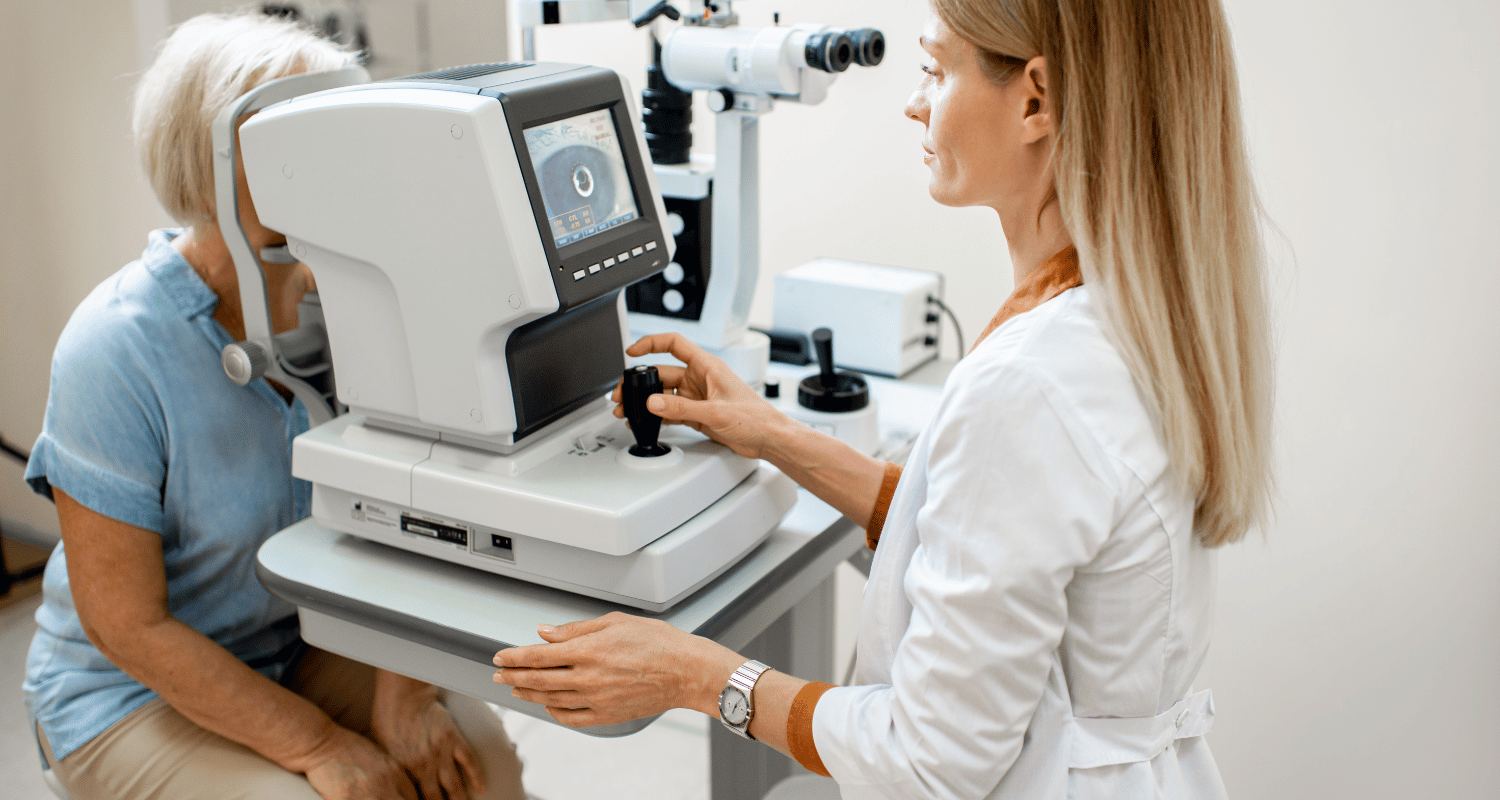
Diagnosing vision problems accurately is the first and most important step in effective eye care. Korean eye clinics are known for using advanced diagnostic equipment and detailed examination processes to identify a wide range of vision conditions. Through comprehensive testing and careful evaluation, ophthalmologists can determine the exact cause of vision issues and recommend the most appropriate treatment or vision correction procedure.
Comprehensive Vision Testing
The diagnostic process usually begins with a basic vision assessment. Patients undergo tests to measure visual acuity, which evaluates how clearly they can see at different distances. A refraction test is also performed to determine the exact prescription needed to correct refractive errors such as nearsightedness, farsightedness, and astigmatism.
Advanced Corneal Analysis
Modern eye clinics in Korea often use specialized imaging technology to analyze the structure of the cornea. Corneal topography creates a detailed map of the cornea’s surface, helping doctors detect irregularities that may affect vision. Pachymetry is used to measure corneal thickness, which is an important factor when considering procedures like LASIK or SMILE.
Wavefront and Optical Measurements
Wavefront analysis is another advanced diagnostic tool used to identify subtle optical imperfections in the eye. This technology measures how light travels through the eye and detects higher-order aberrations that may affect visual clarity, night vision, or contrast sensitivity. These measurements allow doctors to plan more customized vision correction treatments.
Retinal and Internal Eye Examination
A thorough examination of the retina and optic nerve is also essential when diagnosing vision problems. Using specialized imaging systems, ophthalmologists can detect conditions such as retinal tears, macular problems, or early signs of glaucoma. Identifying these issues early helps prevent more serious complications and ensures safe treatment planning.
Evaluation of Eye Health and Tear Film
Doctors also assess the overall health of the eye, including tear film quality and signs of dry eye syndrome. Since dry eye can affect both vision and surgical recovery, evaluating tear production and ocular surface health is an important part of the diagnostic process.
Personalized Diagnosis and Treatment Planning
After completing all diagnostic tests, the ophthalmologist reviews the results and explains the findings to the patient. Based on these results, the doctor may recommend vision correction procedures, medical treatments, or lifestyle adjustments to improve eye health and visual clarity.
Final Thoughts
Korean eye clinics diagnose vision problems through a combination of comprehensive testing, advanced imaging technology, and expert clinical evaluation. This detailed diagnostic approach allows doctors to accurately identify vision issues and develop personalized treatment plans, helping patients achieve better eye health and clearer vision.
You might also like